Are you getting ready to price a Huntington Beach waterfront home and wondering what truly drives value? You are not alone. Waterfront pricing is part art, part science, and very specific to your parcel’s rights, frontage, and risk profile. In this guide, you’ll see the exact factors that matter, how to choose the right comps, and the modeling that supports a defensible list price. Let’s dive in.
What drives value in Huntington Beach
Waterfront type and legal rights
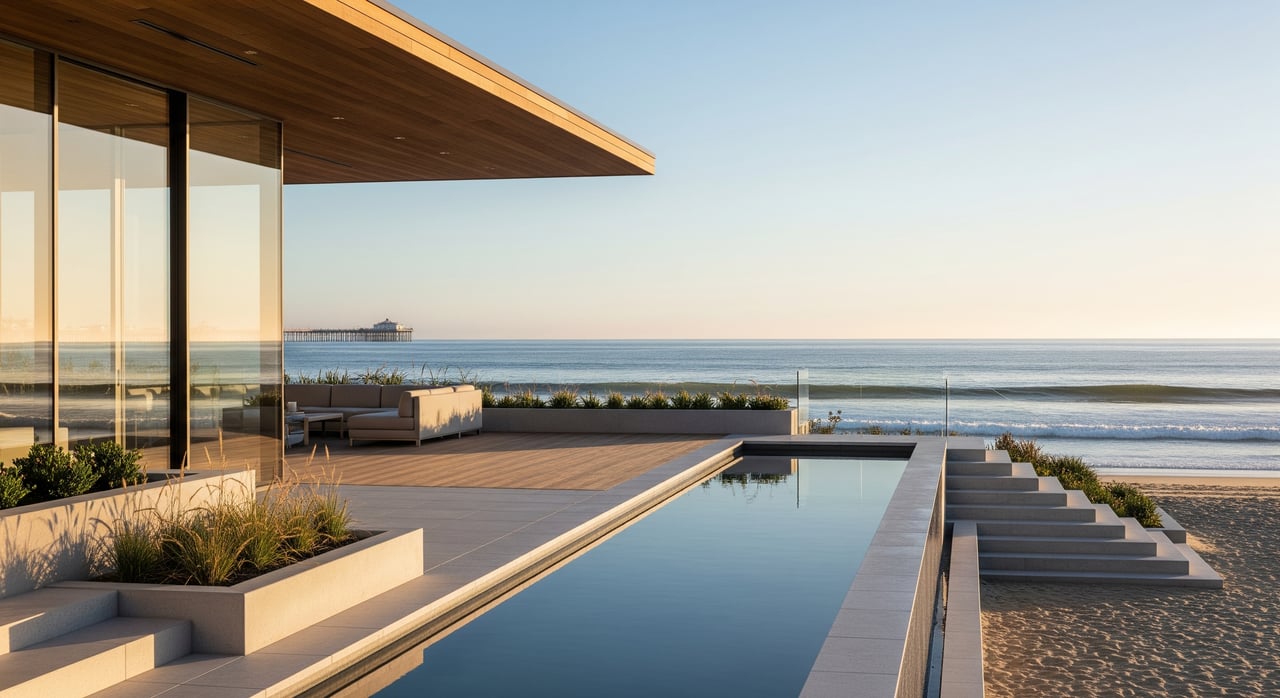
Not all waterfronts price the same. Oceanfront, engineered beachfront with seawalls, and Huntington Harbour canal or bay-front homes appeal to different buyers. Your value depends on documented rights such as foreshore boundaries, private littoral or riparian rights, and whether dock or berth ownership is deeded or leased. Recorded easements or public access corridors can reduce privacy and affect marketability, so confirm what you own and what is shared or accessible to the public.
Frontage and orientation
Linear feet on the water is a core value input. Continuous private frontage usually commands a premium over segmented frontage with public walkways. Orientation matters too. Sun exposure, wind protection, surf and noise, and whether your view is panoramic or partial all translate into pricing differences buyers recognize.
Dock, slip and moorage rights
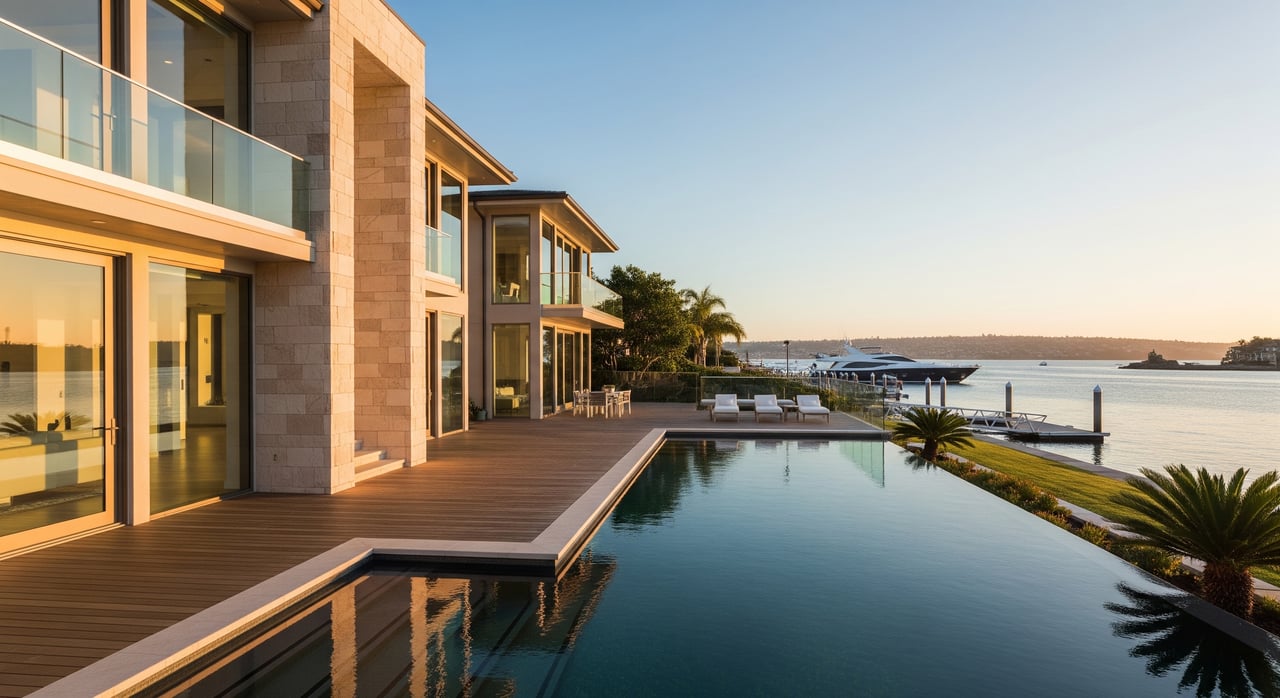
In Huntington Harbour, private docks, boatlifts, and deeded slips are significant drivers of price for boating buyers. Value hinges on size, condition, depth and access, and the permanence and transferability of the right. A deeded slip typically carries a stronger premium than a leased or permit-only arrangement. Always verify the legal status before pricing.
Views and view corridors
Full, unobstructed water views generally earn the strongest premiums. If views are partially blocked by permanent structures or vegetation, you should plan for adjustments. Temporary obstructions like seasonal boat presence should be treated differently than permanent ones when you calibrate value.
Site improvements and structural condition
Seawalls, revetments, pilings, and bulkheads influence both use and perceived maintenance risk. Older, unpermitted, or failing structures can depress value or slow buyer decisions. Resilience features like flood vents, elevated living areas, and corrosion-resistant materials can support pricing by reducing future cost concerns.
Regulatory and environmental risks
Flood zones, tsunami evacuation factors, erosion exposure, and sea level rise projections all influence insurance costs and buyer confidence. Local Coastal Development Permit requirements and Huntington Beach coastal plans can constrain what you can improve. These realities shape demand and should be considered in both pricing and disclosure.
Insurance and carrying costs
Coastal insurance is typically higher than inland coverage. Hazard, wind, flood, and specialty coastal policies can reduce buyer affordability. When you include realistic insurance estimates in your pricing strategy, you set expectations that support smoother negotiations.
Market demand and liquidity
Waterfront inventory is thin and sales are irregular. Seasonality, access and parking, and proximity to amenities shape absorption. The buyer mix can include primary residents, downsizers, vacation buyers, and investors. Understanding this pool helps craft both list price and marketing.
Choose the right comps
Common pitfalls with comps
True apples-to-apples waterfront comps are scarce. Avoid leaning on sales with atypical motivations like estate or distressed transactions. Limit reliance on far-off neighborhoods or inland properties that do not share your specific waterfront rights.
What to match first
Prioritize these dimensions when selecting comps:
- Waterfront type: oceanfront versus harbor or canal
- Frontage ownership and legal berth rights
- Linear frontage and usable beach or dock area
- View quality: full, partial, or obstructed
- Lot size and depth, especially for beachfront usability
- Outdoor improvements: access stairs, decks, outdoor kitchens
- Condition and recency of renovations
- Parking and garage capacity, elevator presence, primary suite count
- Day-of-sale market conditions like interest rates and inventory
Adjustment strategies that hold up
Use paired sales when possible to isolate a single variable, such as a deeded dock versus view-only frontage. A frontage-foot approach is common, but it requires local calibration because per-foot values vary by location and waterfront type. Treat view premiums as percentage ranges informed by paired sales rather than fixed assumptions. Separate functional renovations from purely cosmetic work when you estimate premiums.
Huntington Beach specific cautions
Some harbor-front listings do not include usable dock rights even if they face water. Do not price them like deeded-slip properties. Public access easements along the shoreline can affect privacy and value. Recent or pending seawall work and required permits can reshape your buyer pool and costs. Off-market transactions are common, so widen your data set beyond easily visible sales.
Time and seasonality effects
Waterfront properties often spend more days on market. Pricing too high can cause early momentum to fade, while pricing within a strategic band can reduce time-to-sell without surrendering net proceeds. Use local patterns for your micro-market to understand the tradeoff.
Model your price with rigor
Use multiple valuation approaches
- Sales comparison approach: Build an adjusted comp grid that explicitly accounts for frontage, view, and dock rights.
- Cost approach: Helpful if the home is newer or comps are thin. Include realistic costs for seawalls and docks.
- Income approach: If the property could attract investors or short-term rental buyers, model potential income, expenses, vacancy, and risk-adjusted cap rates in line with allowable uses.
Build a seller net and carrying-cost view
Create a clear seller net sheet that includes closing costs, transfer taxes, commissions as negotiated, liens, and conservative repair or credit assumptions. Layer in monthly carrying costs for a realistic marketing window, including mortgage interest, taxes, insurance, HOA if applicable, utilities, and maintenance such as dock or seawall upkeep.
Evaluate renovation ROI by category
Segment required items like safety or code compliance from optional value-add upgrades. Model best, base, and conservative scenarios for scope and timeline. Prioritize fixes that remove buyer friction or documentation gaps, such as permits and maintenance records for critical waterfront structures.
Price sensitivity and time-to-sell bands
Build a price-probability table that shows how different list prices affect the probability of sale and expected time on market. Combine that with seller net outcomes so you can weigh speed versus proceeds. This framework makes your pricing decision transparent and data-informed.
When to bring in specialists
Engage a coastal-savvy appraiser for an independent opinion when comps are thin or variables are complex. If you have seawall, erosion, or permitting questions, consult a coastal engineer or geotechnical expert. For docking, verify depths, berth limits, and rules with the appropriate harbor authority or a marine surveyor.
Run documents and risk checks first
Public records to pull
Collect the deed history, parcel maps, and lot dimensions. Review property tax assessment history. Pull MLS closed sales and days-on-market for the specific block or island. Check county permits and inspection records for seawall or dock work and any structural updates. Order a preliminary title report to confirm easements, covenants, and recorded slip ownership.
Regulatory checks that matter
Confirm whether any private dock is deeded or subject to lease or permit, and whether rights are transferable. Review any recorded lateral public access easements that could affect privacy. Note Coastal Development Permit history and what improvements may be constrained. If short-term rentals are relevant, confirm local rules before modeling investor demand.
Environmental and hazard considerations
Document flood zone status, tsunami evacuation information, and any erosion indicators. If there have been beach nourishment projects nearby, note how they might influence sand levels and recreational value. These factors inform both disclosure and pricing confidence.
Local experts and data sources
Consult county assessor and recorder resources, local planning and coastal permit records, flood maps, and sea level guidance. Review local brokerage market reports and public records to capture off-market or pocket sales. Speak with harbor management regarding slip ownership and regulations when relevant.
A practical pricing workflow
Follow a clear, step-by-step process so your pricing is credible and complete:
- Initial intake
- Gather deed, surveys, prior appraisals, permits, HOA documents, and maintenance records for seawall and dock.
- Quick market scan
- Pull recent MLS sales in your micro-market and identify true waterfront comparables.
- Technical risk screen
- Verify flood status, seawall and dock permits, and title encumbrances.
- Physical inspection
- Measure frontage, assess dock condition and depth access, confirm elevation, document view corridors, and photograph water-facing elevations.
- Adjusted comp grid
- Build a granular adjustment matrix for waterfront features, view, renovation quality, and lot attributes. Use paired sales when available.
- Financial models
- Prepare seller nets, renovation ROI scenarios, and price-probability sensitivity.
- Pricing and marketing strategy
- Recommend a list price band, expected days on market, buyer targeting, and materials like aerials, panoramic photos, and dock depth charts.
- Pre-list remediation checklist
- Prioritize must-do items such as permit documentation and urgent structural repairs. Outline optional value-adds with modeled ROI.
Deliverables you should expect
- Adjusted Comparable Sales Grid with clear adjustment logic and uncertainty ranges
- Seller Net Sheet for multiple price scenarios
- Renovation versus sell-now analysis with timeline and proceeds impacts
- Risk summary covering insurance, permitting issues, and environmental exposures
- Marketing highlights that showcase frontage footage, slip status, seawall documentation, and verified view quality
Set expectations with clarity
Waterfront pricing involves more uncertainty than typical residential homes because small differences in frontage, rights, and risk can move value. The choice is not simply price high or price low. It is about selecting a strategic band supported by comps, rights verification, and financial modeling. When you present a clear process and data-backed scenarios, you attract qualified buyers and negotiate from strength.
Ready to price with confidence? Schedule a private consultation to review your rights, comps, and scenarios step by step with Robert Molett.
FAQs
How do dock rights affect Huntington Harbour pricing?
- Deeded, transferable slips typically command a measurable premium over view-only or leased arrangements, with size, depth access, and condition shaping the value.
What is the best way to quantify my water frontage?
- Measure linear feet along the water and compare to nearby sales using a per-frontage-foot lens, then adjust for view quality, orientation, and legal rights.
Should I renovate before listing a waterfront home?
- Prioritize required items like seawall or dock repairs and permitted work that reduces buyer friction, then model optional cosmetic upgrades for case-by-case ROI.
How do flood and insurance costs influence price?
- Higher coastal insurance and flood risk raise carrying costs and can narrow the buyer pool, so incorporate realistic premiums into pricing and net sheet scenarios.
Why do waterfront properties take longer to sell?
- Inventory is thin and each parcel is unique, so the buyer pool is selective. A strategic list band and strong documentation can shorten days on market.
Is it smart to price high and reduce later?
- Anchoring can work, but overpricing early can suppress showings. Use a price-probability table to balance time-to-sell with your target net proceeds.