Trying to decide between the Village, Spyglass, or Shore Cliffs in Corona Del Mar? Each micro-neighborhood offers a distinct lifestyle, from morning walks to coffee in the Village to sunset views from a hillside terrace or a quiet path down to a secluded cove. Choosing well starts with understanding how lot sizes, views, access, and HOA rules shape your day-to-day. This guide breaks down what matters so you can align your purchase with how you want to live. Let’s dive in.
Corona Del Mar at a glance
Corona Del Mar sits within Newport Beach along coastal bluffs and coves. You’ll find a mix of small-lot cottages and condos near the compact commercial core, plus larger, often multi-level single-family homes on hillsides and bluff tops. Buyers come for beaches and tide pools, ocean air, and a village lifestyle with restaurants and boutiques close by.
Along the coast, local planning rules and California Coastal Commission policies can influence what you can build or expand. Coastal risks such as bluff stability, erosion, and flood exposure can affect insurability and long-term plans. Public access below the mean high tide line is protected under California law, and private access routes are governed by recorded easements or HOA rules. Keep these factors in mind as you compare neighborhoods.
CdM Village: walkability and convenience
Orientation and property types
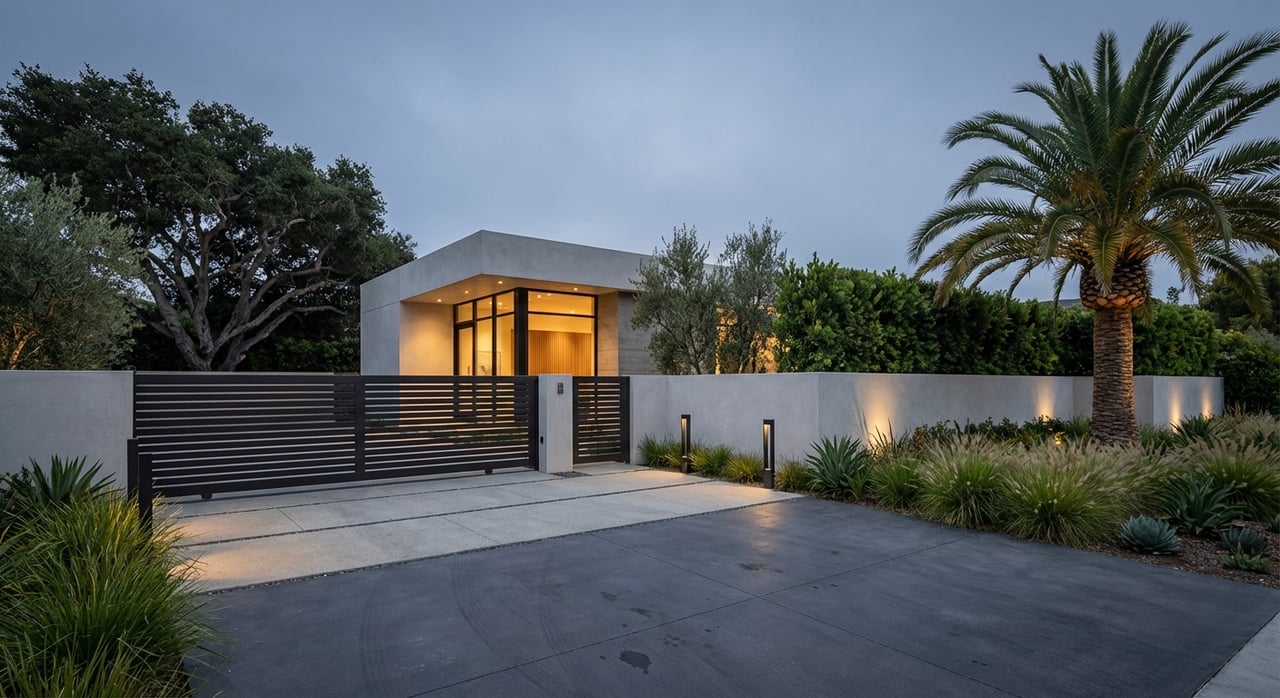
The Village is the downtown heart of Corona Del Mar, with stores, cafes, services, and a lively street scene. Housing skews to small-lot single-family homes, detached cottages, townhomes, and a higher concentration of condominiums and boutique multifamily buildings. If you want to be near daily conveniences, the Village puts you close to nearly everything.
Walkability and lifestyle fit
The Village offers the best walkability in CdM. You can handle errands, dining, and nightlife on foot, often within minutes from home. On-street parking can be tight during peak hours and weekends, so many residents value assigned parking in condo buildings and plan for guest parking rules and time limits.
Lot sizes and floor plan trends
Lots are typically smaller than in hillside or bluff neighborhoods. Many single-family parcels are compact, and attached homes or condos can have smaller footprints. You will see vertical designs that stack living space to maximize square footage on a smaller lot. If you plan to renovate or expand, review setback and zoning rules early.
Views and beach access
Direct ocean views in the Village are less common, though some elevated sites and upper-floor units capture partial ocean or harbor scenes. Beach access is about proximity rather than frontage. Depending on your block, you can walk to Little Corona, China Cove, and other public beaches.
HOA and governance
Condos and some small complexes in the Village operate under HOAs that set fees, rental policies, and pet rules. Single-family homes are often outside formal HOAs unless they are part of a planned tract. Compare documents across buildings because rules can vary widely.
Buyer tradeoffs
- Pros: Top walkability, lively atmosphere, easy access to daily needs.
- Cons: Smaller lots and yards, potential parking constraints and street noise, fewer guaranteed views.
Spyglass: hillside views and privacy
Orientation and property types
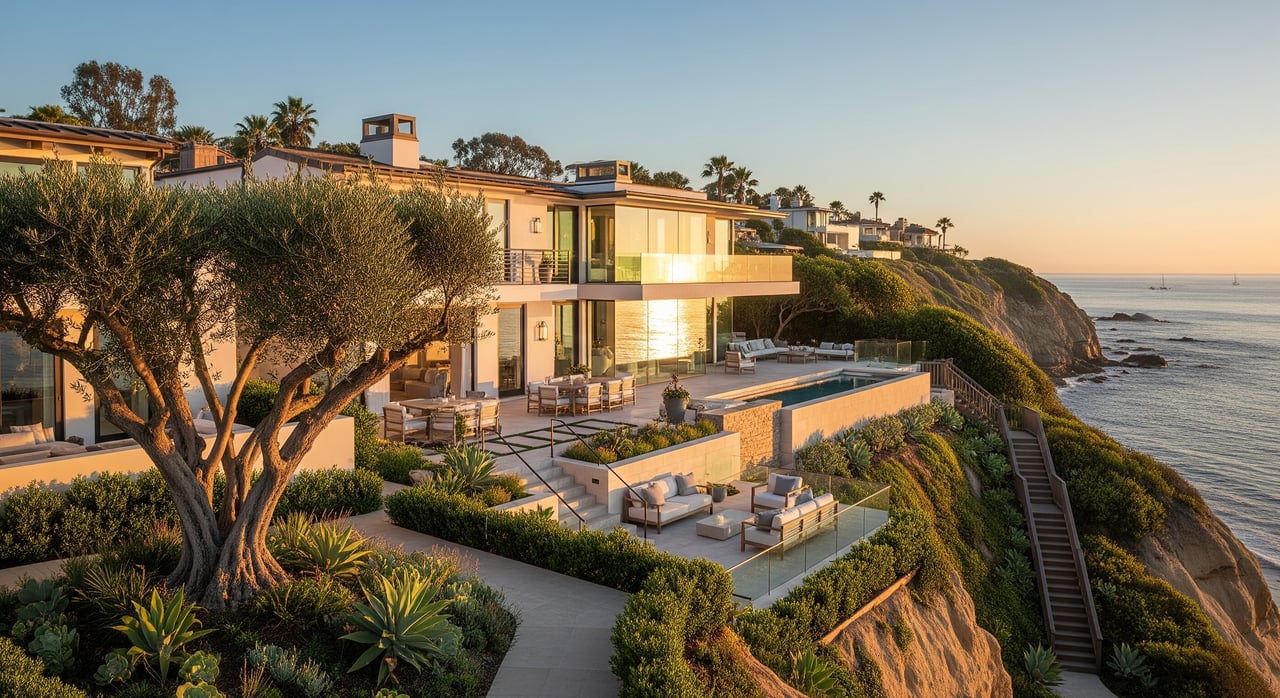
“Spyglass” is used locally to describe several hillside and bluff-adjacent areas, often called Spyglass Hill, Spyglass Point, or Spyglass Bluff. Verify boundaries when you evaluate a specific listing. Homes tend to be custom or semi-custom single-family properties, often multi-level to capture ocean, harbor, or Catalina views.
View corridors and design considerations
Views are a primary value driver in Spyglass. Neighboring redevelopment can alter view corridors and sunlight. Views are not automatically protected, so only a recorded view easement or covenant will preserve them. Before you commit, review recorded easements, local height limits, and recent or pending permits on adjacent parcels.
Lot sizes and topography
Lots are often larger than in the Village but vary by block and may be irregular or terraced. Steeper sites shape how you can use outdoor areas and may require retaining walls. Buildable area is determined by topography and setback rules as much as by raw lot size.
Access, streets, and parking
Expect winding, sometimes steep streets. Many homes have garages and private driveways, but guest parking depends on city regulations and emergency access requirements. If frequent visitors and service deliveries are part of your routine, confirm on-street options.
HOA and neighborhood governance
Spyglass includes a mix of individually owned parcels and small enclaves with CC&Rs or street associations. Where HOAs exist, they typically govern private amenities, gates, or shared structures. If an HOA is involved, review the governing documents and budget for reserves and maintenance.
Buyer tradeoffs
- Pros: Expansive views, privacy, and a prestigious hillside setting.
- Cons: Risk of view changes from redevelopment, more complex access and parking logistics, higher construction and maintenance costs on slopes, exposure to coastal hazards.
Shore Cliffs: coastal proximity and access
Orientation and property types
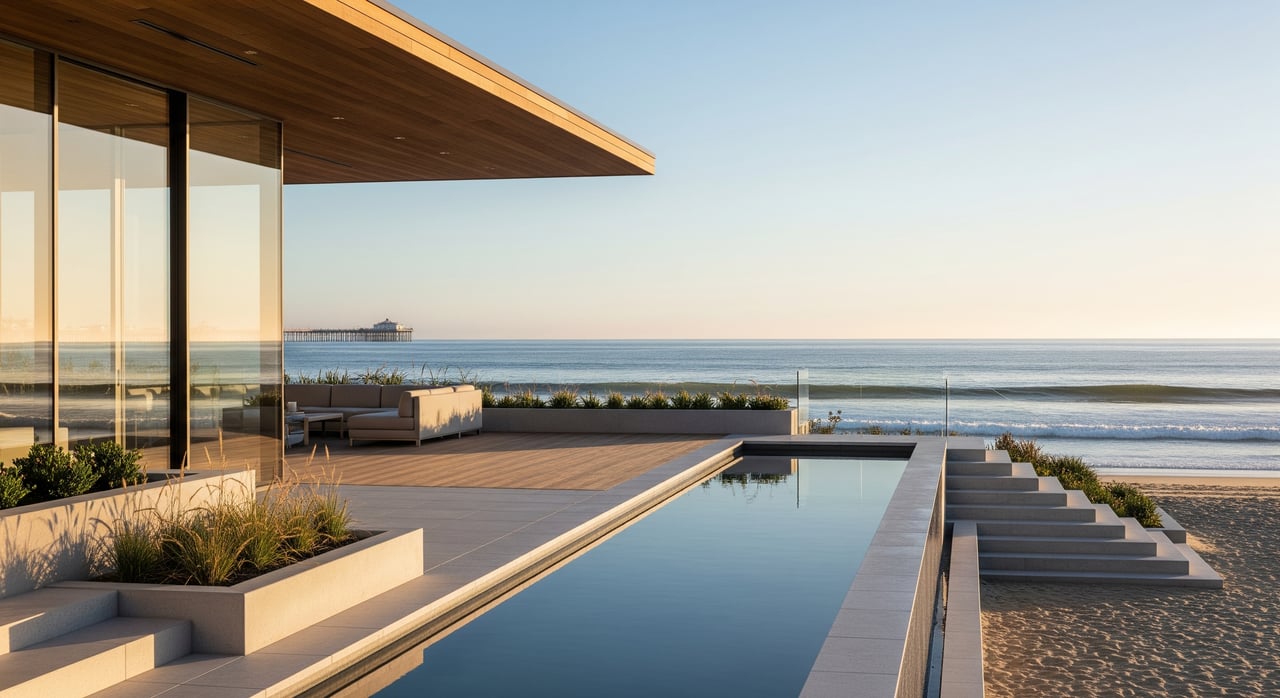
Shore Cliffs features bluff-top homes oriented to beaches and coves below. Properties are usually single-family residences with ocean-forward layouts. Some homes or small associations control paths or stairs to the shoreline.
Private beach access and legal context
Several coastal enclaves in CdM maintain private stairways, paths, or easements that provide resident access to the beach. In Shore Cliffs, access specifics depend on recorded documents for that parcel or association. Public rights below the mean high tide line still apply. Request and verify the exact access instrument, including maintenance obligations and any conditions set by local agencies.
Lot sizes and building constraints
Bluff lots can offer generous frontage with irregular yard shapes. Bluff setback requirements, slope stability studies, and foundation design often dictate what you can build. Expect careful engineering, and plan for longer lead times to secure approvals.
Coastal hazards, maintenance, and insurance
Bluff erosion and stability are central to ownership here. Geotechnical reports and shoreline studies are material facts and should be reviewed early. Coastal properties can face higher insurance costs and more scrutiny from carriers, and flood and cliff failure are separate exposures that may require specialized policies or endorsements.
HOA and shared infrastructure
Shore Cliffs properties may be part of HOAs that manage stairs, private lanes, drainage, seawalls, and shared maintenance. Review CC&Rs, bylaws, budgets, reserve studies, and meeting minutes to understand cost sharing and access rules. Confirm any special assessments or active litigation.
Buyer tradeoffs
- Pros: Immediate coastal proximity, potential for direct beach access, strong ocean views.
- Cons: Ongoing bluff-related maintenance, complex insurance and permitting, and potential access and guest-use rules through an HOA.
How to choose your fit
- Choose the Village if you want maximum walkability, a lively street scene, and a low-car lifestyle. You accept smaller lots, limited yard space, and fewer guaranteed views in exchange for convenience.
- Choose Spyglass if views, privacy, and a custom-home feel are top priorities. You are comfortable managing hillside logistics and verifying view protections and adjacent permits.
- Choose Shore Cliffs if coastal proximity and potential access to coves are non-negotiable. You are prepared for bluff-related due diligence, HOA review, and specialized insurance.
Due diligence checklist for CdM buyers
Use this list to structure early diligence. Getting documents and quotes up front can save time and reduce risk.
- Property disclosures and title
- MLS disclosures and seller questionnaires.
- Recorded title report, easements, and CC&Rs. Confirm any beach access rights and how they are recorded.
- Permits and development activity
- Recent permits and plans for the subject property and adjacent lots to identify pending vertical construction that could affect views or light.
- City planning and zoning: allowed uses, height limits, setbacks, and whether a Coastal Development Permit applies.
- Site-specific reports
- Geotechnical and stability reports for bluff or slope lots. For cliff-edge properties, request a recent assessment.
- Structural evaluations where foundations, pilings, retaining walls, or seawalls are present. Include termite and drainage inspections.
- Flood and coastal hazard mapping
- Review FEMA flood zones and sea-level rise or inundation tools. Consider local bluff hazard maps and any coastal erosion studies referenced in disclosures.
- HOA documents, if applicable
- CC&Rs, bylaws, rules, financials, reserve study, meeting minutes, and notices of special assessments or litigation. Verify rental rules and guest-use policies.
- Insurance planning
- Pre-qualify with insurers early, especially for bluff-top or oceanfront properties. Obtain quotes for hazard, flood if required, earthquake, and any coastal endorsements. Confirm rebuild cost assumptions.
- Financing and tax considerations
- Ask your lender about any additional reports for coastal or steep-lot properties. Expect appraisals to rely on micro-neighborhood comparables due to view and elevation effects.
- Confirm property tax basis with the county and plan for supplemental taxes following a transfer or new construction.
- Lifestyle logistics to verify in person
- Walk time to the Village, grocery access, trash and recycling pickup points, guest parking, and peak-season congestion.
- Sun patterns on terraces and any neighboring shading. Note noise levels near restaurants or public access points.
Viewing tips for each neighborhood
- In the Village, walk the immediate blocks at different times of day to gauge street activity and parking availability. Check assigned parking details if touring condos.
- In Spyglass, study the sightlines from primary rooms and terraces. Ask to see any recorded view protections and scan permit history for adjacent lots.
- In Shore Cliffs, request the access documents and physically walk the path or stairway if permitted. Review recent geotechnical work and discuss maintenance responsibilities with the HOA.
See the differences in person
Printed maps only go so far. If you would like a curated tour that focuses on Village walkability, bluff-top views in Spyglass, or properties with private Shore Cliffs beach access, we can put together options that match your priorities and schedule a neighborhood walkthrough. For a private, data-driven conversation about your search, connect with Robert Molett.
FAQs
Will my ocean view be legally protected in Spyglass?
- Not automatically. Only recorded view easements or covenants limit nearby development. Verify easements and check recent and pending permits on adjacent parcels.
How private is beach access in Shore Cliffs?
- It depends on recorded documents. Some parcels or associations maintain private paths or stairs, but public rights below the mean high tide line still apply. Ask for the access instrument and maintenance terms.
How do bluff setbacks affect building in Shore Cliffs?
- Bluff setbacks and geologic stability requirements limit where and how you can build. City planning and, when applicable, the California Coastal Commission enforce these standards.
Can I get homeowner’s insurance on a bluff-top home?
- Availability can be limited and premiums higher. Engage insurers early, compare carriers, and plan for flood and coastal hazard endorsements where needed.
Are short-term rentals allowed in the Village?
- Rules vary by property type and HOA and must also comply with city ordinances. Review HOA documents and local regulations before assuming rental potential.